Amsterdam World War 2: History, Anne Frank & Must-Visit Sites
Discover Amsterdam’s World War 2 history, including the Anne Frank House, Jewish Quarter, resistance stories, and powerful sites to visit in and around the city.
NETHERLANDSTRAVEL GUIDE
4/15/202616 min read
.🔒 Affiliate Disclosure & Transparency
This post may contain affiliate links. If you purchase something through these links, I may receive a small commission—at no extra cost to you.
I only recommend experiences and activities that are genuinely worth considering, based on research, real visitor reviews, and their popularity among travelers in Amsterdam.
These commissions help support the site and allow me to continue creating free travel guides, tips, and detailed itineraries to help you plan the perfect trip.
Disclaimer: Information in this post is for guidance only. For the most accurate and current details, please consult the provider’s official page before making any decisions.
Note: For more tips, guides, and day trips around Amsterdam, check out our related articles section at the bottom—where you’ll find everything from canal cruises to countryside tours and hidden gems.
Amsterdam & World War II: History, Memory & Places to Visit
Amsterdam is often celebrated for its canals, world-class museums, and vibrant atmosphere—but beneath that beauty lies one of the most powerful chapters in modern European history.
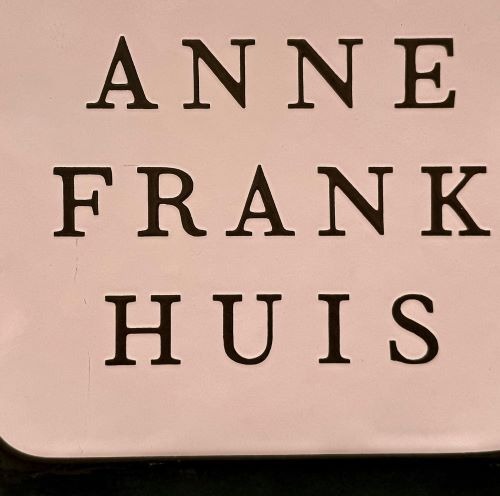
During the Nazi occupation of the Netherlands, the city was profoundly transformed. Daily life changed as restrictions tightened, communities were torn apart, and thousands of people were forced into hiding or deported. At the center of this history is the story of Anne Frank, whose time in hiding became one of the most widely read and deeply human accounts of the war. Today, her legacy lives on at the Anne Frank House—one of the most important historical sites in Europe.
But Amsterdam’s World War II story goes far beyond a single place. From the Dutch Resistance Museum to the historic Jewish Quarter and hidden resistance networks across the city, visitors can explore the many layers of life during wartime—through museums, walking tours, and meaningful day trips.
👉 Planning a full trip? Start with the complete guide: Amsterdam Travel Guide: What to See, Do & Plan
👉 Looking for the perfect stay? Explore: Best Boutique Hotels in Amsterdam for a Unique Stay
This guide brings together the most important WWII sites, experiences, and day trips—helping you understand not just what happened, but how Amsterdam continues to remember, reflect, and share these stories today.
Quick Facts: Amsterdam & World War II
Location: Amsterdam
Period: Nazi occupation of the Netherlands
Duration of occupation: 1940 – 1945
Key historical figure: Anne Frank
Most important WWII site:
Anne Frank House
Other important sites:
Dutch Resistance Museum
Jewish Museum Amsterdam
Hollandsche Schouwburg
Key events in Amsterdam:
Anti-Jewish measures introduced (1941)
Mass deportations begin (1942)
Dutch Hunger Winter
Best way to explore:
Walking tours (Anne Frank & WWII)
Museum visits
Day trips to sites like Kamp Westerbork
Time needed:
Half day (highlights) → Full day (in-depth experience)
Is Amsterdam’s World War II History Worth Exploring?
Short answer: yes—absolutely.
Amsterdam isn’t just canals and museums; it’s also a city shaped by one of the most profound periods in modern history. Exploring its World War II sites gives you a deeper understanding of both the city and the people who lived through the Nazi occupation of the Netherlands.
What makes it so impactful?
What sets Amsterdam apart is the combination of personal stories and real locations.
At the Anne Frank House, you step inside the actual place where Anne Frank and her family hid—turning history into something immediate and deeply human.
But the experience doesn’t stop there.
Across the city, places like the Dutch Resistance Museum and the Jewish Cultural Quarter add layers of context—showing how ordinary people resisted, survived, and adapted under occupation.
More than just museums
What makes this experience truly worthwhile is how interconnected everything is:
Walk through the same streets where history unfolded
Hear stories of resistance, courage, and loss
Visit sites that go beyond surface-level tourism
You’re not just learning about World War II—you’re experiencing it through the city itself.
Who is it for?
This part of Amsterdam is especially worth it if you:
Are interested in history or culture
Want a more meaningful travel experience
Plan to visit the Anne Frank House anyway
Enjoy guided tours that bring stories to life
When it might not be for you
It’s worth noting that many of these experiences are emotional and confronting. If you’re looking for a light or purely entertainment-focused trip, this may not be your main priority.
Final takeaway
If you want to understand Amsterdam beyond its postcard image, exploring its World War II history is one of the most powerful and worthwhile things you can do.
Amsterdam During World War II
When World War II reached the Netherlands in May 1940, Amsterdam quickly fell under German control following the German invasion of the Netherlands. What followed was five years of occupation that left a deep and lasting mark on the city, its residents, and its identity.
At first, daily life continued with an uneasy sense of normality. Shops remained open, trams ran through the canals, and cafés still welcomed visitors. But restrictions gradually increased as the occupying forces tightened control—especially over Amsterdam’s Jewish population.
By 1941, anti-Jewish measures became more visible and severe. Jewish residents were forced to register, excluded from public life, and eventually deported. One of the most well-known stories from this period is that of Anne Frank, who went into hiding with her family in a secret annex behind a canal house—now preserved as the Anne Frank House.
Amsterdam also became a center of resistance. Ordinary citizens took great risks to hide Jewish families, forge documents, and distribute illegal newspapers. The stories of courage and defiance are brought to life today in places like the Dutch Resistance Museum, offering a powerful look at life under occupation from multiple perspectives.
As the war progressed, conditions worsened. Food shortages, forced labor, and fear became part of daily life. The final winter of the war—known as the Dutch Hunger Winter—was particularly devastating, with thousands suffering from extreme starvation.
Although Amsterdam was liberated in May 1945, the impact of the occupation remained. Today, the city’s museums, memorials, and historic sites serve as reminders of this difficult chapter—ensuring that the stories of loss, resistance, and resilience are not forgotten.
Hidden Stories of Resistance Banks During WWII
Amsterdam’s wartime story isn’t only about occupation and loss—it’s also about ingenuity and quiet resistance in unexpected places.
During the Nazi occupation of the Netherlands, traditional financial systems were heavily controlled by German authorities. Banks were monitored, assets were restricted, and economic freedom was severely limited. In response, underground networks began to form beneath the surface of everyday life.
Secret Financial Networks in Occupied Amsterdam
These so-called “resistance banks” operated in complete secrecy. Using informal systems and trusted connections, they redistributed money to those who needed it most—supporting resistance fighters, people in hiding, and families cut off from financial resources.
Without these networks, many resistance efforts in Amsterdam would have struggled to survive.
Finance as an Act of Resistance
What makes these stories remarkable is the level of risk involved. Managing illegal financial flows under occupation could lead to arrest, imprisonment, or worse. Yet many continued, driven by a strong sense of responsibility and moral conviction.
It’s a powerful reminder that resistance didn’t always take the form of visible acts—it often happened quietly, behind desks, through coded transactions and trusted relationships.
Amsterdam’s Jewish Community During World War II
Before the war, Amsterdam was home to one of the largest and most vibrant Jewish communities in Europe. Jewish life was deeply woven into the fabric of the city, especially in neighborhoods like the old Jewish Quarter—today a place of remembrance, history, and culture.
Families had lived here for generations, contributing to Amsterdam’s trade, culture, and intellectual life. Synagogues, schools, markets, and businesses formed a thriving community that felt like an essential part of the city’s identity.
That changed dramatically during the Nazi occupation of the Netherlands.
From Community to Persecution
Step by step, Jewish residents were isolated from society. They were forced to register, excluded from public spaces, and eventually deported. Entire families disappeared from the streets of Amsterdam.
One of the most personal and widely known stories is that of Anne Frank, whose diary offers a deeply human perspective on life in hiding. Today, her story lives on at the Anne Frank House, one of the most visited and impactful sites in the city.
The Jewish Cultural Quarter Today
To understand the full history, a visit to the Jewish Cultural Quarter is essential. This area brings together several important sites, including the Jewish Museum Amsterdam, where exhibitions explore Jewish life in the Netherlands before, during, and after the war.
Nearby, memorial sites and historic buildings offer a deeper look into both the richness of the community and the tragedy of its destruction.
Walking Through History
One of the most meaningful ways to experience this part of Amsterdam is through a guided walking tour. These tours connect the stories behind the buildings, streets, and monuments—turning history into something tangible and deeply personal.
You’ll walk past former homes, hidden locations, and sites of deportation, gaining insight into how everyday life changed under occupation and how the community endured unimaginable hardship.
Today, Amsterdam honors its Jewish history not only through museums, but through remembrance. What was once a thriving community is now also a place of reflection—ensuring that these stories continue to be seen, heard, and remembered.
WWII Day Trips from Amsterdam: Important Sites Beyond the City
While Amsterdam offers powerful insights into life under occupation, some of the most significant World War II sites are located beyond the city. These places provide a broader understanding of the war in the Netherlands and nearby regions—especially key battles, resistance efforts, and the realities of deportation.
Arnhem & Operation Market Garden
One of the most famous WWII stories in the Netherlands is the Operation Market Garden. This ambitious Allied operation aimed to secure a series of bridges and push into Germany—but ultimately fell short.
The city of Arnhem became the focal point of the battle. Today, you can visit the Airborne Museum Hartenstein, where immersive exhibits tell the story of the soldiers who fought here.
The events in Arnhem gained worldwide recognition through the film A Bridge Too Far, which brought the scale and drama of the operation to a global audience.
Bastogne (Belgium) & the Battle of the Bulge
For a deeper dive into the later stages of the war, consider a trip to Bastogne in Belgium. This town played a crucial role during the Battle of the Bulge, one of the last major German offensives of the war.
Bastogne is especially well-known today thanks to the series Band of Brothers, particularly the episodes “Bastogne” and “The Breaking Point”, which depict the harsh winter conditions and intense fighting faced by Allied troops.
Visiting the area gives you a real sense of the landscape and challenges soldiers endured during that brutal winter.
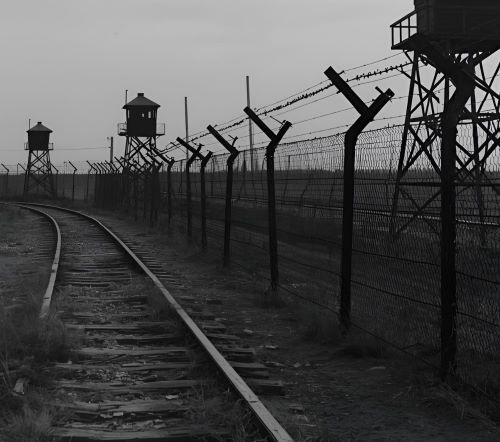
Kamp Westerbork: A Place of Deportation
Back in the Netherlands, Kamp Westerbork is one of the most important and sobering WWII sites you can visit.
Originally a refugee camp, it was later used by the Nazis as a transit camp from which over 100,000 Jews, Roma, and others were deported to concentration and extermination camps. Many Dutch Jews, including Anne Frank, passed through Westerbork before being sent east.
Today, the site serves as a memorial and museum, offering a deeply moving experience focused on remembrance and reflection.
👉Follow the full experience: 2-Day Anne Frank Tour Amsterdam & Westerbork
Kamp Vught: Life Inside a Nazi Camp
Another significant site is Nationaal Monument Kamp Vught, located in the south of the country.
Unlike Westerbork, Vught was an actual SS concentration camp. Visitors can explore reconstructed barracks, exhibitions, and memorials that show what daily life was like for prisoners. The stories here are personal, confronting, and essential to understanding the full reality of the occupation.
Why These Day Trips Matter
Together, these destinations expand your perspective beyond Amsterdam. They connect the personal stories of hiding and resistance in the city with the larger military operations, deportation systems, and frontline battles that shaped the outcome of the war.
If you’re interested in understanding World War II in a deeper, more complete way, these day trips are not just worthwhile—they’re unforgettable.
Other WWII & History Experiences in Amsterdam
While the Anne Frank House is one of the most impactful places you can visit, it only tells part of the story. To truly understand what life was like during the Nazi occupation of the Netherlands, it’s worth exploring a few additional sites across the city.
Dutch Resistance Museum
For a deeper look into courage and everyday defiance, the Dutch Resistance Museum offers powerful insight into how ordinary people resisted the Nazi regime. Through personal stories, secret operations, and interactive exhibits, you’ll get a clearer picture of what life under occupation really looked like.
👉 Check availability and latest prices for the Resistance Museum
Jewish Cultural Quarter & Holocaust Memorial Sites
Located in Amsterdam’s historic Jewish Quarter, the Jewish Museum Amsterdam explores Jewish life before, during, and after the war. Nearby, the Hollandsche Schouwburg serves as a place of remembrance, honoring those who were deported during the war.
Together, these sites provide essential context that helps you better understand the scale and impact of the Holocaust in the Netherlands.
👉 Check availability and latest prices for the Jewish Historical Museum
WWII Walking Tours in Amsterdam
One of the most meaningful ways to experience this history is on foot. Guided walking tours take you beyond museum walls and into the streets where these events unfolded.
You’ll discover:
Hidden locations in the Jewish Quarter
Places where resistance members lived and operated
Stories of daily life during the occupation
Combining a walking tour with your visit to the Anne Frank House creates a much more complete and personal experience.
👉 Check availability and latest prices for a WWII walking tour
Amsterdam World War II Walking Tour (Small Group Experience)
If you’re looking for a deeper understanding of life in Amsterdam during the Nazi occupation of the Netherlands, this small-group walking tour is one of the most insightful experiences available.
Led by expert historians, the tour takes you through key locations including the Anne Frank House, Dam Square, and the Jewish Quarter—while sharing detailed stories about resistance, persecution, and daily life under occupation.
With a small group size and a relaxed pace, you’ll have plenty of opportunity to ask questions and truly connect with the history behind the city.
👉 Check availability and latest prices for the Amsterdam WWII walking tour
National Holocaust Museum
For those who want to go deeper, the National Holocaust Museum offers a comprehensive and sobering look at the persecution and deportation of Dutch Jews.
Through personal testimonies, photographs, and historical artifacts, the museum connects individual stories to the broader history of the Holocaust. Its location near the Jewish Cultural Quarter makes it easy to combine multiple sites in one visit.
Visiting this museum alongside the Anne Frank House provides a more complete understanding of the events that shaped both her story and the wider history of the war in the Netherlands.
👉 Check availability and latest prices for the Holocaust Museum
Anne Frank: Her Story & How to Visit
Who Was Anne Frank?
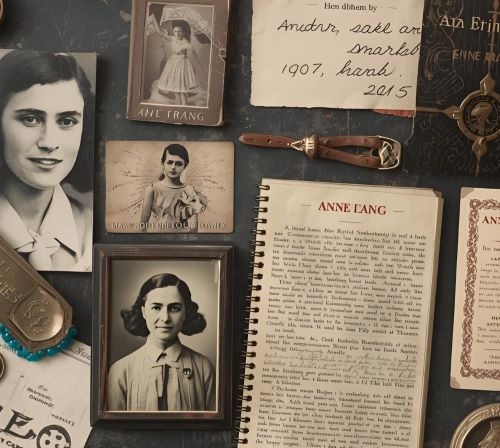
Anne Frank was a Jewish teenager who went into hiding with her family during the Nazi occupation of the Netherlands. For more than two years, they lived in a secret annex behind a canal house in Amsterdam.
During this time, Anne wrote in her diary—documenting daily life in hiding, her thoughts, fears, and hopes. Her writings later became one of the most widely read and impactful accounts of the Holocaust.
Today, her story is preserved at the Anne Frank House, where visitors can walk through the very rooms where she and her family hid. It remains one of the most powerful and emotional experiences in Amsterdam.
Anne Frank Walking Tours
While visiting the museum is essential, an Anne Frank walking tour adds something you won’t get inside the house itself—context.
These tours take you through the streets of Amsterdam, showing:
Where Anne Frank grew up
Important locations in the Jewish Quarter
Sites connected to resistance and hiding
A knowledgeable guide helps bring the city to life, connecting individual stories to the broader history of the war.
👉 Explore your options: Best Anne Frank Walking Tours in Amsterdam
How to Get Tickets for the Anne Frank House
Tickets for the Anne Frank House are in extremely high demand and often sell out weeks in advance.
Here’s what you need to know:
Tickets are released online at specific times
Same-day tickets are very limited
You must book a time slot in advance
If you’re planning your trip, this should be one of the first things you arrange.
👉 Check availability and book here: Anne Frank House Tickets & Availability
All-in-One: A 2-Day Private Anne Frank Experience
If you want a deeper and more complete understanding, consider combining multiple experiences into one itinerary.
A 2-day private experience can include:
A guided Anne Frank walking tour
Entry to the Anne Frank House
Visits to the Jewish Cultural Quarter
Additional WWII-related sites and stories
This approach gives you both the personal story of Anne Frank and the wider historical context of Amsterdam during the war.
👉 View options and pricing: 2-Day Private Anne Frank & WWII Experience
How Amsterdam’s Financial Power Fueled the Resistance
Long before World War II, Amsterdam was one of the most important financial centers in the world. During the Dutch Golden Age, the city pioneered modern finance—with innovations like the Amsterdam Stock Exchange and early forms of global banking.
This legacy didn’t disappear during the war. Instead, it quietly became a powerful tool for resistance.
From Global Finance to Underground Networks
When the Nazi occupation of the Netherlands began, official financial systems were tightly controlled. Banks were monitored, transactions restricted, and assets frozen—especially those belonging to Jewish citizens.
But Amsterdam’s deep-rooted financial knowledge didn’t vanish. It went underground.
Building on centuries of trust, networks, and financial expertise, resistance members created hidden systems—often referred to as “resistance banks.” These informal networks allowed money to flow outside Nazi control, supporting people in hiding, funding resistance operations, and helping families survive.
Finance as a Hidden Weapon
What makes this part of Amsterdam’s story so unique is that resistance didn’t only happen in the streets—it also happened behind desks, in offices, and through coded transactions.
People used:
Forged documents
Secret accounts
Trusted intermediaries
to move money without detection. These actions carried enormous risk, yet they were essential to keeping the resistance alive.
It’s a powerful reminder that Amsterdam’s financial strength wasn’t just about wealth—it became a tool for survival and defiance.
Discover This Story Today
This lesser-known chapter of history is often overlooked, but it adds an important layer to understanding the city during WWII.
👉 Explore the full story here:
Amsterdam Financial History Tour: From VOC & Stock Exchange to Resistance Banks & Vaults
This experience connects Amsterdam’s Golden Age innovations with its wartime resilience—showing how centuries of financial expertise helped shape acts of resistance when it mattered most.
Understanding World War II in the Netherlands: From Amsterdam to the Frontlines
A Broader Perspective Beyond Amsterdam
While visiting the Anne Frank House offers one of the most personal and moving insights into the Nazi occupation of the Netherlands, the story of World War II extends far beyond a single place or individual.
From life in hiding in Amsterdam to resistance networks and major military operations across Europe, exploring different locations and experiences helps you understand how the war shaped both everyday life and global history.
Walk Through History in Amsterdam
To truly grasp the human impact of the war, start in Amsterdam—where personal stories bring history to life.
👉 Discover the full experience: Anne Frank Walking Tour & House Visit
Follow in the footsteps of Anne Frank, explore the neighborhoods where she lived, and step inside the Anne Frank House—one of the most powerful historical sites in Europe.
👉 Explore a unique perspective: Amsterdam Financial History Walking Tour
Go beyond the traditional narrative and uncover how underground financial networks supported the resistance. This experience reveals how Amsterdam’s financial expertise became a quiet but crucial tool for survival.
Small Group WWII Camp Tour from Amsterdam (Vught)
For travelers who want to understand the broader reality of World War II beyond the city, a visit to Nationaal Monument Kamp Vught offers a deeply moving and important experience.
On this respectful full-day tour from Amsterdam, you’ll explore the former SS concentration camp site, including reconstructed barracks, watchtowers, and the crematorium. Memorials across the site honor the more than 31,000 people who were imprisoned here during the Nazi occupation of the Netherlands.
With guided commentary and an included audio tour, the experience provides essential historical context—bringing personal stories and the harsh realities of the camp to life. It’s a powerful and sobering complement to visiting the Anne Frank House and other WWII sites in the city.
👉 Explore the full small group WWII concentration camp tour guide
Step Into Europe’s Battlefield History
For a wider European perspective, you can follow the path of Allied forces during key battles that shaped the outcome of the war.
👉 Dive into military history: Bastogne & WWII Battlefield Experience
Visit Bastogne, a key location during the Battle of the Bulge. This area became widely known through the series Band of Brothers, especially the episodes “Bastogne” and “The Breaking Point”.
You can also connect this with sites related to Operation Market Garden, including the city of Arnhem.
Battle of Arnhem Tour (Operation Market Garden)
One of the most impactful ways to understand Operation Market Garden is by visiting Arnhem with an expert guide.
This private tour takes you directly to the key locations of the Battle of Arnhem—including the famous John Frost Bridge, drop zones, and the Airborne Cemetery in Oosterbeek. Along the way, you follow the route taken by Allied forces and hear detailed stories that bring the battle to life.
With transport included from major cities like Amsterdam, it’s an easy and immersive way to experience one of the most important WWII events in the Netherlands.
👉 Check availability and latest prices for the Battle of Arnhem tour
Quick Summary: Amsterdam & World War II
Best for: History lovers, meaningful travel, cultural experiences
Must-see highlight:
Anne Frank House
Also worth visiting:
Dutch Resistance Museum
Jewish Museum Amsterdam
Unique experiences:
Anne Frank & WWII walking tours
Financial history & resistance banks tours
Day trips to Kamp Westerbork and Arnhem
Time needed:
Half day (highlights) → Full day (in-depth)
Good to know:
Book Anne Frank House tickets early
Many sites are emotional and impactful
Worth it?
👉 Yes—one of the most powerful ways to understand Amsterdam beyond its canals and museums
FAQ: Amsterdam & World War II
How do you obtain tickets for the Anne Frank House?
Tickets for the Anne Frank House are only sold online and often sell out weeks in advance.
Here’s what to know:
Tickets are released at specific times on the official website
A limited number of same-day tickets may be available
You must book a time slot—there is no walk-in entry
👉 Tip: Book as early as possible, especially during peak travel seasons.
Are WWII tours and experiences suitable for children?
It depends on the age and sensitivity of the child.
Many sites—especially the Anne Frank House and Holocaust-related museums—can be emotional and confronting. They are generally more suitable for older children (around 10–12+), depending on maturity.
Walking tours can be a good option for families, as guides often adapt the storytelling. However, it’s still important to consider the themes of war, persecution, and loss.
What are the most important WWII sites to visit in Amsterdam?
The most impactful sites include:
Anne Frank House
Dutch Resistance Museum
Jewish Museum Amsterdam
Hollandsche Schouwburg
Together, they provide a well-rounded understanding of life during the war.
How much time do you need to explore WWII history in Amsterdam?
Half day: Visit the Anne Frank House + short walk through the Jewish Quarter
Full day: Add museums like the Dutch Resistance Museum and a guided walking tour
Are there meaningful WWII day trips from Amsterdam?
Yes—several important sites are located outside the city, including:
Kamp Westerbork
👉 Follow the full experience: 2-Day Anne Frank Tour Amsterdam & Westerbork
Nationaal Monument Kamp Vught
👉 Read the full guide, reviews & tips: Camp Vught Tour from Amsterdam: WWII Experience, Reviews & Is It Worth It?
Arnhem (linked to Operation Market Garden)
These locations offer a deeper understanding of the broader impact of the war.
Is it worth taking a WWII walking tour in Amsterdam?
Yes—walking tours add context you won’t get from museums alone.
With a guide, you’ll hear personal stories, see lesser-known locations, and better understand how daily life changed during the Nazi occupation of the Netherlands.
Blog created April 2026
Blog updated April 2026
📌Click on the pin or click here to SAVE it.