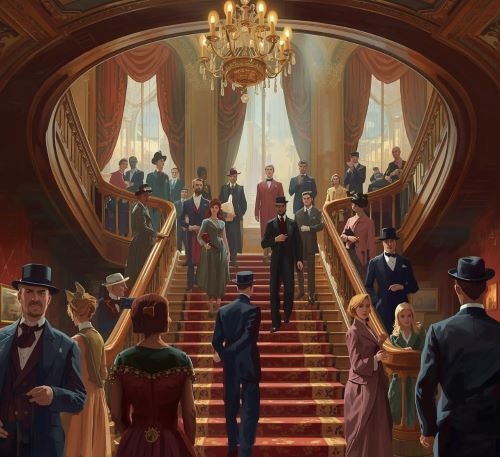
Inside New York’s Gilded Age Mansions: Wealth, Scandal & Architectural Grandeur
Step inside New York City’s Gilded Age and explore the mansions, families, architects, and scandals that defined one of the most decadent eras in American history.
UNITED STATESNEW YORKADVENTURE TRAVEL
1/19/20266 min read
DISCLOSURE:
There may be affiliate links on this post. If you buy something using these links i may receive a small commission at zero cost to you.
The Rise of Opulence: Gilded Age NYC
The Gilded Age, a term coined by Mark Twain and Charles Dudley Warner in the late 19th century, refers to an era in American history characterized by rapid economic growth, industrialization, and a stark contrast between enormous wealth and deep poverty. In New York City, this period spanned from the 1870s to the early 1900s, marking a significant transformation in social structures and architectural approaches.
This transformation was, in part, fueled by the exponential rise of industrialists and tycoons who amassed great fortunes through industries like steel, railroads, and finance. Figures such as Andrew Carnegie, John D. Rockefeller, and J.P. Morgan became synonymous with vast wealth and influence, leading to spectacular lifestyles and a desire for unprecedented displays of opulence. As these individuals solidified their statuses as the upper echelons of society, they embarked on constructing extravagant mansions, often modeled after European palaces, which not only served as homes but as symbols of their economic prowess.
Culturally, the Gilded Age was defined by an eagerness to showcase affluence and sophistication. Influences from the Beaux-Arts movement and other architectural styles galvanized the designs of these mansions, featuring ornate details, grand entryways, and luxurious materials. The architects of the time, including Richard Morris Hunt and Stanford White, were pivotal in creating enduring legacies through monumental structures that adorned the New York skyline.
Additionally, this period coincided with significant historical events such as the completion of the Brooklyn Bridge and the rise of skyscrapers, which served to reshape the urban landscape. The convergence of wealth, innovation, and cultural expression during the Gilded Age laid the foundation for a new social order in New York City, ultimately influencing American society's trajectory in the years to come.
Architectural Marvels: The Design and Construction of the Mansions
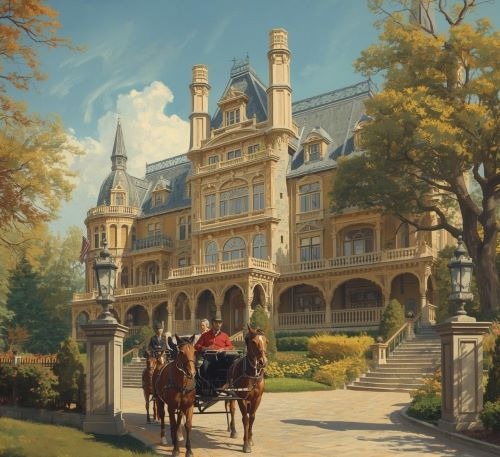
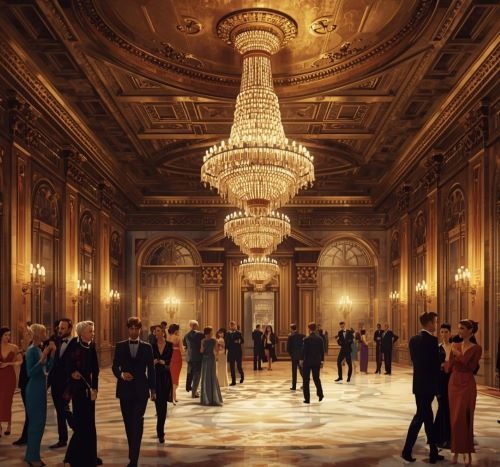
The Gilded Age in New York was marked by an unprecedented display of wealth and ambition, as affluent families commissioned immense mansions that showcased not only their financial clout but also their personal tastes. Architectural styles during this period varied significantly, with Beaux-Arts, Romanesque, and Neo-Renaissance designs dominating the landscape. Each style brought a unique aesthetic, often reflecting the grandeur and aspirations of great American industry leaders.
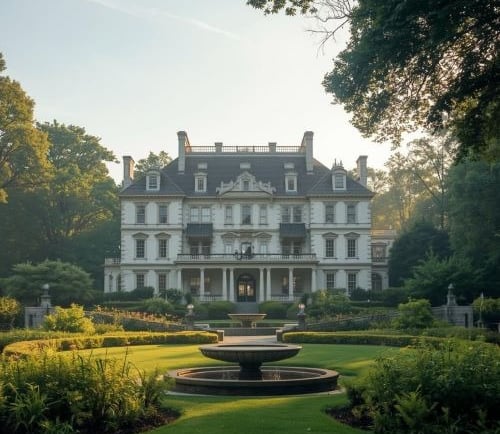
Beaux-Arts architecture, characterized by its ornate details, symmetry, and grandeur, was heavily influenced by classical French design. Prominent architects such as Richard Morris Hunt and Stanford White emerged during this period, implementing harmonious proportions and elaborate ornamentation. Their design philosophies not only emphasized the magnificence of the structures themselves but also incorporated the surrounding landscape into the overall vision, creating an immersive environment for residents and guests alike.
Romanesque architecture, drawing on elements from medieval Europe, emphasized bold forms and thick walls, often adorned with intricate stone carvings. Architects like Henry Hobson Richardson introduced these elements into their designs, which showcased heavy arches and rich textures, delivering a sense of strength and permanence. The innovative use of materials, including brownstone and limestone, combined with exceptional craftsmanship set these mansions apart as exemplars of architectural achievement.
The Neo-Renaissance style, with its revival of classical motifs, blended intricate detailing with modern amenities, appealing to the lavish lifestyles of the era’s elite. The use of cutting-edge technologies, such as steel framing, allowed for larger, open spaces and expansive windows, creating an atmosphere of light and airiness within the grand halls. These architectural marvels, resulting from a combination of visionary architects, expert craftsmen, and modern techniques, embody the opulence and artistic aspirations of the Gilded Age, making them a lasting testament to this remarkable period in American history.
Life in Luxury: The Families Behind the Mansions
The Gilded Age in New York City was characterized by lavish opulence, reflected in the grand mansions that dotted Fifth Avenue and beyond. Among these architectural masterpieces, several notable families established themselves as the bedrock of wealth and societal influence.
The Astors, one of the most prominent families, redefined American luxury with their opulent lifestyle. John Jacob Astor, the family patriarch, was a fur trader who amassed a fortune that allowed his descendants to build one of the largest mansions on Fifth Avenue. His family was known for hosting extravagant parties, which were the talk of the town, showcasing the social dynamics of New York’s elite. Astor's commitment to philanthropy was also notable; through his family trust, many initiatives in education and public welfare were funded.
Equally influential were the Vanderbilts, who transitioned from their successful shipping ventures to investing in railroads, thus solidifying their wealth. Cornelius Vanderbilt's legacy continued through his children, who maintained a lifestyle filled with personal scandals and public admiration alike. Their summer homes in Newport, Rhode Island, became infamous for their elaborate displays of wealth, often culminating in social rivalries with other families, notably the Astors.
The Morgans also contributed significantly to the history of luxury living in New York. J.P. Morgan, one of the most influential banker in the world, was known for his grand residence that welcomed dignitaries and served as a space for international diplomacy. His family maintained a reputation for sophistication, often embroiled in controversies that made headlines during the era.
These families were not solely defined by their riches; they were involved in myriad social dynamics that reflected the complexity of wealth, power, and scandal, weaving intricate stories that continue to resonate in the history of these grand mansions.
Legacy and Remains: What’s Left of the Gilded Age Today
The Gilded Age, characterized by its opulence and architectural grandeur, has left a significant imprint on the landscape of modern-day New York City. While many of the extravagant mansions that once lined the streets have succumbed to the whims of time and development, several notable structures remain, serving as a testament to this extravagant era. These buildings offer invaluable insights into the luxurious lifestyles of the elite and continue to shape the architectural fabric of the city.
Among the most famous surviving landmarks is the Frick Collection, a former mansion turned art museum located on the Upper East Side. This exquisite residence showcases the art and architecture typical of the Gilded Age, preserving both aesthetic and cultural narratives from that time. Another example is Villard Houses, which have also been preserved and repurposed for modern use while retaining their historical significance. These examples demonstrate the successful transformations that have allowed portions of the Gilded Age to endure amidst a rapidly changing urban environment.
Today, the legacy of the Gilded Age is reflected not only in the architecture but also in the cultural experiences offered by these historic buildings. Numerous museums host exhibitions that delve into the opulence of the era, attracting tourists eager to learn about this fascinating period of American history. Guided tours spotlighting sites like Carnegie Hall and the Metropolitan Museum of Art connect visitors with the extravagance and societal implications of that time, emphasizing the lasting impact of the Gilded Age on New York City’s cultural landscape.
As interest in history continues to thrive, these remnants of the Gilded Age provide a rich resource for understanding not only architectural innovation but also the complexities of wealth and societal structure in a time of rapid change. The preservation and celebration of these landmark buildings ensure that the stories of the past remain woven into the fabric of contemporary society.
Summary:
✨ Gilded Age Mansions Tour in New York ✨
Step back into NYC’s glamorous Gilded Age on this immersive mansion tour! 🏛️💎 Wander past opulent estates, hear juicy stories of romance, rivalry & scandal, and discover the architects & elite families who shaped the city’s most dazzling era. From marble halls to million-dollar ballrooms — history has never looked this luxurious! 🥂
⭐ Tour Highlights
✔️ Explore NYC’s most extravagant Gilded Age mansions 🏰
✔️ Hear captivating stories of wealth, philanthropy, scandal & murder 🖤
✔️ Learn about the designers, tycoons & socialites of the era 🎩
✔️ Guided by a knowledgeable NYC historian 📚
✔️ Gain special access to select historic interiors 🔑
✔️ Wheelchair-friendly + service animals welcome ♿🐾
Perfect for:
✨ Architecture lovers
✨ History enthusiasts
✨ Fans of drama, elegance & old-world glamour
✨ NYC explorers
Duration (Estimated):
3 hours
Price (Estimated!):
From $ 37,50 - $ 42,50
Rating & Reviews:
4,9/5,0 over 950+ reviews. Check reviews here!
Availability:
Check availability here!