New Orleans Travel Guide: 30 Essential Tips & Tools for the Perfect Trip
30 essential New Orleans travel tips & tools. Discover the best things to do, jazz spots, food, tours, hotels, and practical advice to plan the perfect NOLA trip.
UNITED STATESLOUISIANATRAVEL GUIDE
1/27/202520 min read
DISCLOSURE:
There may be affiliate links on this website. If you buy something using these links we could receive a small
commission at zero cost to you.
Planning a trip to New Orleans? This complete New Orleans travel guide covers everything you need to know before you go — from the best things to do and top attractions to local food, jazz music, neighborhoods, and essential travel tips.
Located in Louisiana, New Orleans is famous for the French Quarter, Bourbon Street, Mardi Gras celebrations, live jazz, Creole and Cajun cuisine, and unforgettable Southern charm. Whether you’re visiting for a weekend getaway or a longer stay, knowing the best time to visit, where to stay, and how to get around can make all the difference.
In this guide, you’ll discover 30 essential New Orleans travel tips and tools to help you plan the perfect trip, find top tours and experiences, choose the right hotels, and explore the city like a local.
📌 New Orleans – Quick Facts
Location: Louisiana, United States
Founded: 1718
Nickname: The Big Easy
Best Known For: Jazz music, Creole cuisine, Mardi Gras
Historic Heart: French Quarter
Famous Treat: Beignets at Café du Monde
Major Festival: Mardi Gras
Airport: Louis Armstrong New Orleans International Airport
Best Time to Visit: February–May & October–November
Ideal Trip Length: 3–5 days
Car Needed? No (unless doing plantations or swamp tours)
Quick Navigation
Quick Facts
New Orleans – Quick Facts
Essential Planning
Why Visit New Orleans
Best Time to Visit New Orleans
How to Get to New Orleans
How to Get Around the City
Neighborhoods & Where to Stay
Where to Stay in New Orleans
Main Things to Do
Iconic Neighborhoods & Areas
Music & Nightlife
Food & Culinary Experiences
Tours & Experiences
Swamp & Nature Experiences
Popular Indoor & Outdoor Activities
Practical Travel Tools
Parking Tips
Best Time to Visit & Hurricane Notes
How Many Days Do You Need
Airport Transfer Tips
New Orleans Travel FAQ
Is New Orleans worth visiting?
How many days do you need?
Is New Orleans walkable?
What is the best time to visit?
Is New Orleans safe for tourists?
Do you need a car?
What food is NOLA famous for?
What is Mardi Gras?
A. Why Visit New Orleans?
New Orleans is unlike anywhere else in the United States. Often called “The Big Easy,” this vibrant Louisiana city blends French, Spanish, African, and Caribbean influences into one unforgettable cultural experience.
From live jazz spilling into the streets to historic architecture and world-famous cuisine, New Orleans offers a mix of music, food, and history you simply won’t find anywhere else.
🎶 The Birthplace of Jazz
New Orleans is widely considered the birthplace of jazz. In neighborhoods like the French Quarter and along Frenchmen Street, live music plays every night of the week. Whether it’s traditional brass bands or intimate jazz clubs, music here isn’t a performance — it’s a way of life.
🍤 World-Famous Cuisine
The city is a dream for food lovers. From gumbo and jambalaya to po’boys and crawfish étouffée, New Orleans cuisine reflects its multicultural roots. And of course, no visit is complete without beignets at Café du Monde.
🎭 Festivals & Culture
Home to the legendary Mardi Gras celebration, New Orleans knows how to throw a party. Parades, costumes, and street celebrations fill the city with energy and color.
🏛 Historic Charm
The cobblestone streets of the French Quarter, ornate balconies, and historic mansions in the Garden District give the city a timeless feel. A ride on the historic St. Charles streetcar offers a glimpse into the city’s rich past.
🌿 Unique Experiences
Where else can you take a swamp tour in the morning, explore above-ground cemeteries in the afternoon, and listen to live jazz at night? New Orleans offers a mix of nature, mystery, and culture in one compact destination.
Why It Belongs on Your Travel List
New Orleans isn’t just a city you visit — it’s a city you feel. Its music, food, architecture, and spirit create an atmosphere that’s lively, soulful, and completely unforgettable.
B. Best Time to Visit New Orleans
The best time to visit New Orleans is typically February to May, when the weather is mild, festivals are in full swing, and the city feels especially lively.
That said, each season offers something different — and the “best” time depends on what kind of experience you’re looking for.
🌸 Spring (February – May) — Best Overall
Spring is widely considered the ideal time to visit. Temperatures are comfortable, humidity is lower than in summer, and the city hosts some of its biggest events.
The world-famous Mardi Gras usually falls in February or early March, bringing parades, music, and an electric atmosphere. Spring also features festivals like the New Orleans Jazz & Heritage Festival in late April and early May.
Pros:
Pleasant weather
Festival season
Lively atmosphere
Cons:
Higher hotel prices
Larger crowds
☀️ Summer (June – September) — Budget-Friendly but Hot
Summers in New Orleans are hot and humid, with frequent afternoon rain showers. However, this is also when hotel prices tend to drop and crowds thin out.
If you don’t mind the heat and plan indoor activities (museums, restaurants, live music venues), summer can be a more affordable time to visit.
Best for: Budget travelers and shorter city breaks.
🍂 Fall (October – November) — A Hidden Gem
Fall offers cooler temperatures and fewer tourists. The weather is more comfortable than summer, and the city still has a vibrant music and food scene.
This is a great time if you want the New Orleans atmosphere without peak-season crowds.
❄️ Winter (December – January) — Quieter & Festive
Winter is relatively mild compared to northern U.S. cities. While it’s less busy than spring, the holiday season brings festive decorations and events.
Early winter can be a peaceful time to explore the French Quarter and Garden District at a slower pace.
So, When Should You Go?
For festivals & energy: February–May
For lower prices: June–September
For good weather & fewer crowds: October–November
For a quieter visit: December–January
New Orleans is a year-round destination — but spring offers the best balance of weather, events, and atmosphere.
C. How to Get to New Orleans
New Orleans is well connected by air, road, and rail, making it easy to reach from most major U.S. cities — and internationally.
✈️ By Air
The main airport serving the city is Louis Armstrong New Orleans International Airport (MSY), located about 20–25 minutes from downtown.
It offers:
Direct flights from major U.S. cities
Seasonal international routes
Car rental services
Rideshare, taxi, and airport shuttle options
From the airport, you can reach downtown New Orleans by:
Taxi or rideshare (fastest option)
For most travelers, flying into MSY is the easiest and most convenient option.
Best Airport Pick-Up Services in New Orleans
🚗 By Car
New Orleans is accessible via several major highways:
I-10 (east–west route across the southern U.S.)
I-55 (connecting to the Midwest)
I-59 (linking to Mississippi and Alabama)
Driving can be a great option if you’re planning a Southern road trip or combining your visit with destinations like Baton Rouge or the Gulf Coast.
Keep in mind that parking in the French Quarter can be limited and expensive, so check hotel parking options in advance.
🚆 By Train
Amtrak operates routes into New Orleans, with arrival at New Orleans Union Passenger Terminal.
Major Amtrak routes include:
The City of New Orleans (from Chicago)
The Crescent (from New York via Atlanta)
The Sunset Limited (from Los Angeles via Houston)
Train travel takes longer but can be a scenic and relaxed way to arrive.
🚌 By Bus
Long-distance bus companies also connect New Orleans with cities across the South and beyond. This is typically the most budget-friendly option, though travel times can be longer.
Getting from the Airport to Downtown
From Louis Armstrong Airport to the French Quarter or Central Business District:
Taxi: around 20–25 minutes (fixed fare to downtown)
Rideshare: Uber/Lyft available
Airport Shuttle: shared ride option
Rental car: ideal if exploring outside the city
Most visitors staying in central areas won’t need a car once they arrive.
Best Airport Pick-Up Services in New Orleans
D. How to Get Around the City
Getting around New Orleans is relatively easy, especially if you’re staying in central areas like the French Quarter or the Central Business District. Many of the city’s main attractions are close together, and several transportation options are available.
🚶 Walking
Walking is one of the best ways to explore New Orleans. The French Quarter, Jackson Square, Bourbon Street, and the riverfront are all within easy walking distance of each other.
Strolling through the historic streets allows you to fully experience the city’s architecture, music, and atmosphere.
Best for: First-time visitors staying downtown.
French Quarter Boozy Lunch Crawl with Seafood Boil
Garden District Beyond the Mansions
New Orleans Cocktail & Food Tour
NEW ORLEANS: Ghost Tour with Voodoo and Vampire City
Private Walking Ghost Tour of the French Quarter
Vegan French Quarter Food Tour in New Orleans
🚋 Streetcars
New Orleans’ historic streetcars are both practical and iconic. The most famous line runs along St. Charles Avenue, passing through the Garden District with its grand mansions and oak-lined streets.
Streetcars are affordable and connect major areas including:
French Quarter (via Canal Street line)
Garden District (St. Charles line)
City Park (Canal line)
They’re slower than rideshares but offer a scenic and authentic experience.
🚕 Rideshare & Taxis
Uber and Lyft operate throughout the city and are convenient for:
Reaching areas outside central neighborhoods
Taxis are also available, especially in tourist-heavy areas.
🚗 Rental Car
If you plan to:
Take a swamp tour outside the city
Visit plantations along the Mississippi River
Explore nearby towns
A rental car can be helpful. However, for a stay focused on downtown attractions, a car usually isn’t necessary.
Parking in central neighborhoods can be limited and expensive.
🚌 Public Buses
The city bus system covers broader areas beyond the main tourist zones. It’s budget-friendly but generally slower than other options.
Do You Need a Car in New Orleans?
For most visitors staying in central neighborhoods, no. Walking, streetcars, and rideshare services are more than sufficient.
If your trip includes day trips or exploring beyond the city center, renting a car for one or two days can make sense.
1. The Ultimate New Orleans Travel Hub
New Orleans is not just a city — it’s a rhythm, a flavor, and a story you won’t find anywhere else in the United States. It’s where live jazz drifts through the streets of the French Quarter, powdered sugar covers warm beignets at Café du Monde, and centuries of culture shape every neighborhood.
From historic squares and grand mansions to swamp tours through moss-covered bayous, New Orleans blends music, food, history, and nature into one unforgettable experience. Whether you’re planning your first visit or returning to explore beyond the highlights, this travel hub brings everything together in one place.
Here you’ll find the best neighborhoods to stay in, iconic attractions, must-try foods, live music spots, practical travel tools, and unique experiences that make New Orleans truly special.
Let’s start planning your perfect trip.
2. Iconic Neighborhoods & Areas
New Orleans isn’t a city you experience all at once — it reveals itself neighborhood by neighborhood, each with its own rhythm, architecture, and soundscape.
The journey usually begins in the French Quarter, where iron balconies hang over narrow streets and jazz spills out of doorways long after sunset. It’s the oldest part of the city and the heart of its energy, blending history, nightlife, food, and music into a place that never truly sleeps.
Carriage Rides through New Orleans’ French Quarter
New Orleans Mystique Ghost Tour
Walking Tour Through Jazz History
A short streetcar ride away, the pace softens in the Garden District. Here, grand mansions sit behind oak trees and wrap-around porches, offering a quieter, more elegant side of New Orleans — perfect for slow walks and architecture lovers.
New Orleans Hop-On Hop-Off Bus Tour
Crossing over to Marigny and Bywater, creativity takes center stage. Colorful houses, local art, and live music define these areas, where evenings are spent on Frenchmen Street and mornings begin in neighborhood cafés.
Closer to the river, the Warehouse District blends old industrial buildings with modern culture. Once filled with cotton warehouses, it’s now home to museums, galleries, and some of the city’s best dining.
Discover New Orleans' Hidden Street Art
Just beyond the tourist trail lies Treme, one of the most historically important neighborhoods in the United States. Deeply rooted in African American culture and music, Treme tells the story of New Orleans beyond postcards — authentic, proud, and deeply connected to the city’s soul.
Each neighborhood adds a chapter to the New Orleans story, and exploring more than one is what turns a good trip into an unforgettable one.
3. Music & Nightlife
In New Orleans, music isn’t something you go looking for — it finds you.
Most visitors first land on Bourbon Street, the city’s most famous nightlife strip. It’s loud, colorful, and electric after dark, with balconies overhead and music pouring out of open doors. If you’re looking for high energy, dancing crowds, and that “only in New Orleans” atmosphere, this is where the night begins.
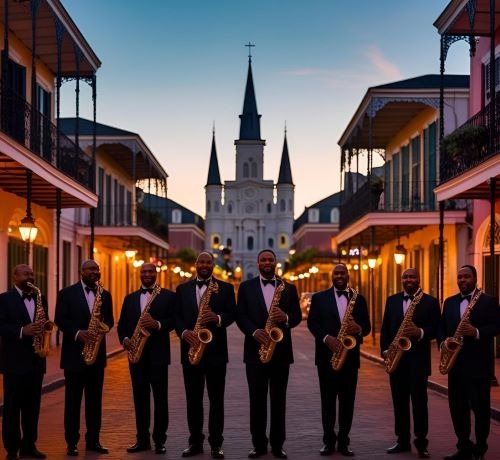
But for many travelers, the real magic happens just a few blocks away on Frenchmen Street. Here, the vibe shifts. The neon lights fade into intimate clubs where live bands play every night of the week. You’ll find brass bands, blues groups, and some of the best live jazz in the city — often with no big stage barrier between musicians and audience.
For something even more authentic, step inside Preservation Hall. This small, historic venue has been dedicated to traditional New Orleans jazz since the 1960s. There are no flashy light shows or big productions — just raw, powerful music in its purest form.
And that’s the beauty of New Orleans: live jazz venues aren’t limited to one street or one district. From corner bars in the French Quarter to hidden spots in Marigny, you can wander without a plan and still stumble into a performance that feels unforgettable.
In this city, nightlife isn’t just entertainment — it’s heritage.
NOLA Culture Unplugged: A Music, Celeb & Bar Stop Combo Tour
4. Food & Culinary Experiences
If there’s one reason people fall in love with New Orleans, it’s the food.
Mornings often begin at Café du Monde, where plates of warm beignets arrive buried under a mountain of powdered sugar. Pair them with chicory coffee, grab a seat near Jackson Square, and you’ve officially started your New Orleans experience the right way.
By lunchtime, it’s time for a po’boy — the city’s iconic sandwich. Stuffed with crispy fried shrimp, roast beef dripping with gravy, or oysters straight from the Gulf, it’s casual, messy, and completely satisfying. It’s not fancy dining — it’s authentic local flavor.
Then there’s gumbo. Every restaurant claims their version is the best, and honestly, they might all be right. Thick, rich, and deeply seasoned, gumbo reflects generations of culinary tradition — often combining seafood, sausage, or chicken with a dark roux base that defines Louisiana cooking.
If you visit during crawfish season (typically spring), you’ll see locals gathered around giant trays of bright red crawfish, seasoned heavily and eaten by hand. It’s social, lively, and a little spicy — exactly like the city itself.
New Orleans Cocktail & Food Tour
Creole vs Cajun — What’s the Difference?
This is where things get interesting.
Creole cuisine developed in New Orleans itself, influenced by French, Spanish, African, and Caribbean cultures. It’s city-based cooking, often featuring tomatoes, complex sauces, and refined techniques.
Cajun cuisine comes from rural Louisiana, brought by Acadian settlers. It’s heartier, rustic, and built around bold seasoning and simple, powerful flavors.
Both are distinctly Louisiana — and in New Orleans, you’ll taste the best of both worlds.
Food here isn’t just something you eat between attractions. It’s history, culture, and celebration on a plate.
5. Where to Stay in New Orleans
Choosing where to stay in New Orleans can shape your entire experience. Each neighborhood offers a different atmosphere — from lively and energetic to quiet and elegant — so the right choice depends on the kind of trip you want.
Stay in the French Quarter
If it’s your first time visiting, the French Quarter is hard to beat. This is the historic heart of the city, where balconies overflow with ironwork and music drifts through the streets late into the night.
Staying here means:
You can walk almost everywhere
Major attractions are right outside your door
Restaurants, bars, and live music venues are steps away
It’s ideal for travelers who want to be in the center of the action. Just keep in mind that convenience comes with higher hotel prices — and sometimes a bit of nighttime noise.
Stay in the Garden District
Prefer something quieter and more refined? The Garden District offers a completely different atmosphere.
Here you’ll find:
Tree-lined streets
Historic mansions and charming boutique hotels
A more relaxed pace
It’s well connected to downtown via the historic streetcar, making it easy to explore while enjoying a peaceful place to return to at night. This area is perfect for couples, architecture lovers, or travelers who prefer calm over crowds.
Other Great Areas to Consider
Marigny is a fantastic choice if you love music and a more local vibe. Close to Frenchmen Street’s live jazz scene, it feels creative and slightly off the main tourist path.
The Warehouse District blends historic industrial buildings with modern hotels, art galleries, and museums. It’s stylish, slightly more upscale, and conveniently located near major attractions like the National WWII Museum.
No matter where you stay, New Orleans is compact and easy to navigate. For a first visit, staying central keeps things simple. On return trips, exploring a different neighborhood lets you experience a whole new side of the city.
Discover New Orleans’ Hidden Gem Hotels: Your Secret NOLA Getaway Guide
Click on the pin or click here to SAVE it.

6. Swamp & Nature Experiences
While New Orleans is famous for music, food, and history, it’s also a gateway to the wild beauty of Louisiana’s waterways. Exploring the swamps and bayous offers a completely different perspective on the city — one that Nashville can’t match.
Venture out on swamp tours or bayou boat tours, where the air is thick with cypress trees draped in Spanish moss, and the water shimmers with reflections of the sky. Guides share stories of the wildlife that calls these wetlands home — from alligators to herons to the occasional playful otter — while explaining the delicate balance of this unique ecosystem.
Bayou Kayak Adventure from New Orleans
New Orleans Full‑Day Tour: City, Historic Cemetery & Hidden Swamp Adventure
New Orleans Zipline Swamp Tour
Private Louisiana Swamp Tour by Pontoon Boat
For a glimpse into the region’s past, plantation tours provide a window into the architecture, history, and culture of Louisiana before the modern era. Many plantations are located just outside the city, offering guided tours that combine stunning scenery with historical storytelling.
Louisiana Swamp Tours Should Be on Your Bucket List
NEW ORLEANS: Oak Alley Plantation tour
And of course, no nature-based visit is complete without a Mississippi River cruise. Gliding along this mighty river, you’ll see the city from a new angle — the skyline framed by water, the old levees, and the riverboats that still honor New Orleans’ storied maritime past.
New Orleans French Quarter & Mississippi Jazz Cruise
New Orleans: Steamboat Natchez VIP Jazz Dinner Cruise
Romantic Valentine’s Day Dinner Cruise
Whether you’re seeking wildlife, history, or simply a peaceful escape from the bustling streets, New Orleans’ swamps, bayous, and rivers provide an adventure that’s as unique as the city itself.
7. 10 More Popular Indoor & Outdoor Activities in New Orleans
Beyond historic squares, museums, and live jazz, New Orleans offers a surprising mix of adrenaline, sports, river adventures, and unforgettable views. If you want to experience a different side of the city, these activities add variety to your itinerary.
🚁 1. Helicopter Tour Over New Orleans
Seeing the French Quarter and the Mississippi River from above is something you won’t forget. Helicopter tours give you sweeping aerial views of the skyline, wetlands, and winding river — especially spectacular at sunset.
Night Helicopter Tour of New Orleans City
Romantic VIP New Orleans Sightseeing Flight
🏈 2. Watch the New Orleans Saints at the Superdome
If you’re visiting during football season, catching a game inside the iconic Caesars Superdome is an electric experience. The atmosphere is loud, passionate, and uniquely New Orleans.
🏀 3. See the New Orleans Pelicans Play
Basketball fans can enjoy an NBA game at the Smoothie King Center, located right next to the Superdome. It’s a fun indoor option, especially in winter.
🎰 4. Try Your Luck at Harrah's New Orleans
Open 24/7, this casino offers table games, slot machines, and dining — a lively indoor entertainment option if you’re looking for nightlife beyond Bourbon Street.
🌳 5. Explore City Park
Larger than Central Park in New York, City Park offers walking trails, oak trees draped in Spanish moss, sculpture gardens, and peaceful green space away from the tourist crowds.
New Orleans: Dead of Night Cemetery Bus Tour Experience
🚲 6. Bike the Lafitte Greenway
The Lafitte Greenway connects the French Quarter to Mid-City. Renting a bike and cruising this scenic path is a great way to explore like a local.
Historic New Orleans Segway Experience
🚤 7. High-Speed Airboat Ride
For more thrill than a traditional swamp tour, airboat rides zip across the wetlands at high speed — exciting and scenic at the same time.
⚓ 8. Steamboat Natchez Experience
Step aboard the historic Steamboat Natchez for a classic paddlewheel cruise complete with live jazz and river views.
Romantic Valentine’s Day on the Creole Queen: New Orleans
🎭 9. Attend a Live Theater Performance
From Broadway touring productions to local performances, venues across New Orleans host indoor shows year-round, adding a cultural touch beyond music clubs.
2 Perfect Days in New Orleans: A Private Tour of Jazz, Food & Hidden Gems
NOLA Culture Unplugged: A Music, Celeb & Bar Stop Combo
10. St. Louis Cemetery No. 1 Tour
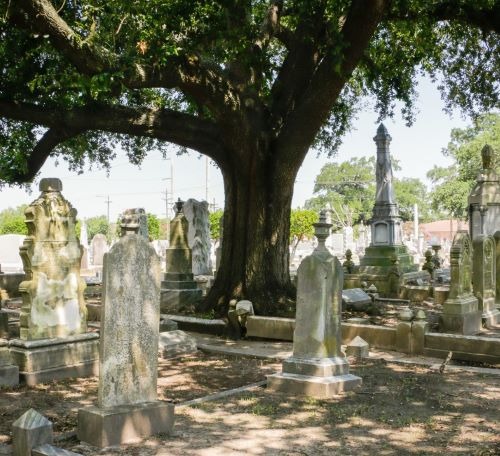
One of the most famous cemeteries in the United States, St. Louis Cemetery No. 1 is known for its above-ground tombs and fascinating history. Guided tours are required — and highly recommended.
New Orleans rewards curiosity. Whether you’re soaring above the skyline, cheering at a packed stadium, biking through oak-lined parks, or cruising the Mississippi, there’s always another layer to discover.
Need more inspiration?
New Orleans Full‑Day Tour: City Highlights, Historic Cemetery & Hidden Swamp Adventure
Haunted Halloween Cruise on the Creole Queen
New Orleans City Tour: Discover Hidden Gems with a Local Guide
New Orleans: A Guide to Outdoor Adventures, Indoor Fun, and Culinary Delights
New Pope Leo XIV Exhibit at the Old Ursuline Convent Museum
Voodoo Doll Making Class in New Orleans
8. History & Culture
New Orleans isn’t just a city — it’s a living museum, where every street, building, and tradition tells a story. To truly experience it, you have to look beyond the music and food and step into its history.
Start in Jackson Square, the heart of the French Quarter. This historic plaza has been a gathering place for artists, performers, and locals for centuries. Surrounded by beautiful architecture and street performers, it’s a perfect introduction to the city’s blend of old-world charm and lively energy.
Overlooking the square is the St. Louis Cathedral, the oldest cathedral in continuous use in the United States. Its iconic spires have witnessed the city’s evolution for over 250 years, and stepping inside is like traveling back through time.
For a completely different perspective, visit the National WWII Museum. This world-class museum tells the story of the Second World War through immersive exhibits, personal accounts, and artifacts. It’s a must-see for history buffs and anyone who wants to understand New Orleans’ role in global history.
And then, of course, there’s Mardi Gras, the city’s most famous celebration. Rooted in centuries of French and Creole tradition, Mardi Gras isn’t just a party — it’s a cultural institution. Parades, masked balls, and elaborate floats reflect the city’s rich heritage, creativity, and love for communal celebration.
New Orleans Hop-On Hop-Off Bus Tour
Exploring New Orleans’ history and culture is like peeling back layers of time. From colonial landmarks to world-class museums to living traditions, the city tells stories that are unforgettable — and deeply intertwined with the people who call it home.
9. Popular Indoor Activities in New Orleans
When the Louisiana heat rises or an afternoon storm rolls in, New Orleans proves it has just as much to offer indoors as it does on the streets. Beyond jazz clubs and balconies, the city hides incredible museums, cultural spaces, and immersive experiences.
Here are 10 popular indoor activities worth adding to your itinerary:
1. National WWII Museum
One of the top-rated museums in the United States, this immersive experience brings World War II history to life through personal stories, interactive exhibits, and powerful multimedia presentations. You can easily spend half a day here.
Ultimate Guide to National WWII Museum
2. New Orleans Museum of Art
Located in City Park, this museum features an impressive collection of European and American art, along with rotating exhibitions that add depth to the city’s cultural scene.
3. Ogden Museum of Southern Art
A celebration of Southern creativity, this museum highlights artists from across the American South and offers insight into the region’s identity and storytelling traditions.
4. Audubon Aquarium
Perfect for families, the aquarium showcases marine life from the Gulf of Mexico and beyond. It’s an engaging and educational escape from the heat.
5. Louisiana Children's Museum
Traveling with kids? This interactive museum makes learning fun through hands-on exhibits focused on creativity, nature, and culture.
6. The Cabildo
Located beside Jackson Square, this historic building explores Louisiana’s colonial past and played a key role in the Louisiana Purchase.
7. The Presbytère
Here you’ll find exhibits dedicated to Mardi Gras history and the impact of Hurricane Katrina — deeply moving and culturally important.
8. Backstreet Cultural Museum
A smaller but powerful museum focused on African American traditions, including jazz funerals and Mardi Gras Indian culture.
9. Sazerac House
Part museum, part interactive experience, this space explores the history of New Orleans cocktails and the city’s role in shaping American drinking culture.
10. Preservation Hall
While known as a music venue, stepping inside feels like entering a living museum of traditional jazz. Intimate, historic, and deeply authentic.
Indoor attractions in New Orleans aren’t just backup plans for bad weather — they’re essential parts of the city’s story. From world-class museums to cultural landmarks, these experiences add depth and context to everything you see outside.
🎟 10. Book Ahead vs. Buy On-Site
Not every indoor attraction in New Orleans needs advance tickets — but for some, booking ahead can save time and stress, especially during peak travel months or rainy afternoons.
✅ Book Ahead (Great for Busy Seasons or Bad Weather)
National WWII Museum
One of the most visited attractions in the city. Pre-booking helps you skip ticket lines and secure timed entry, especially during spring festivals or holiday weekends.
Museum & City Attraction Passes
If you’re planning to visit multiple attractions, bundled city passes can offer savings and convenience. These are especially useful for short stays when you want to maximize your time.
🎫 Good to Buy On-Site or Direct
New Orleans Museum of Art
Tickets are usually available at the door, and lines are typically manageable outside peak holiday periods.
New Orleans Jazz Museum
A relaxed museum experience where same-day tickets are normally easy to purchase.
New Orleans Historic Voodoo Museum
Small, intimate, and easy to visit without advance booking.
JAMNOLA
Interactive and colorful, but generally manageable with direct booking unless visiting on weekends or holidays.
💡 Quick Tip:
If rain is forecast or you’re visiting during Mardi Gras season, book major attractions in advance. On regular weekdays outside festival season, New Orleans attractions are usually easygoing and flexible.
11. Practical Travel Tools
Planning ahead makes all the difference in New Orleans — especially because every neighborhood feels different and timing matters.
🚗 Parking Tips
Parking in the French Quarter can be expensive and limited. Many streets are narrow and not ideal for driving. If you’re staying centrally, you may not need a car at all.
If you do rent one (especially for swamp or plantation tours), consider:
Booking a hotel with included parking
Using secured parking garages rather than street parking
Leaving the car parked during your stay in the Quarter
🌤 Best Time to Visit
The most popular months are February through May, when the weather is pleasant and festival season is in full swing.
Fall (October–November) is another excellent time — fewer crowds and comfortable temperatures.
Summer is hot and humid, but hotel prices often drop.
🌪 Hurricane Season Note
Hurricane season officially runs from June through November. While direct hits are rare, it’s wise to:
Book flexible accommodations
Monitor weather forecasts if traveling late summer
Consider travel insurance during peak season
🗓 How Many Days Do You Need?
For a first visit:
3 days lets you explore the French Quarter, enjoy live music, and take a food tour.
4–5 days allows time for a swamp tour, plantation visit, or river cruise.
A long weekend works — but New Orleans rewards slower travel.
✈️ Airport Transfer Tips
Most travelers arrive via Louis Armstrong New Orleans International Airport, located about 20–25 minutes from downtown.
Options include:
Rideshare services (easy and widely available)
Airport shuttle vans
Rental cars (useful if exploring outside the city)
Taxi flat rates to the French Quarter
Best Airport Pick-Up Services in New Orleans
❓ 12. New Orleans Travel FAQ
Is New Orleans worth visiting?
Absolutely. New Orleans offers a unique mix of live music, historic architecture, world-famous food, and vibrant festivals you won’t find anywhere else in the United States. It’s especially ideal for travelers who enjoy culture, nightlife, and culinary experiences.
How many days do you need in New Orleans?
Most visitors need 3 to 5 days.
3 days covers the French Quarter, live jazz, and a food experience.
4–5 days allows time for a swamp tour, plantation visit, or Mississippi River cruise.
Is New Orleans walkable?
Yes — especially around the French Quarter and nearby neighborhoods. Many major attractions are within walking distance. Streetcars and rideshare services make it easy to explore further without renting a car.
What is the best time to visit New Orleans?
The best months are February through May and October through November, when temperatures are comfortable and festival season is active. Summer can be very hot and humid.
Is New Orleans safe for tourists?
Like any major city, safety depends on location and awareness. Tourist areas are generally busy and well-patrolled, but visitors should avoid poorly lit areas late at night and keep valuables secure.
Do you need a car in New Orleans?
No — not if you’re staying central. However, a car is useful for plantation tours or swamp excursions outside the city.
What food is New Orleans famous for?
New Orleans is known for:
Beignets at Café du Monde
Gumbo
Po’boys
Crawfish
Creole and Cajun cuisine
Food is one of the main reasons people visit.
What is Mardi Gras?
Mardi Gras is the city’s most famous annual celebration, featuring parades, elaborate floats, masked balls, and centuries-old traditions leading up to Lent. It’s festive, colorful, and deeply rooted in local culture.
Blog updated: March 2026
Blog created: January 2025